Professional Richmond Top Home Architecture Services for New Home Construction
Elevate Your Home With Expert Design Solutions
Transforming a home through qualified architectural expertise involves more than just design. It requires a deep understanding of operational design and local building codes. Collaborating with an seasoned design expert can handle frequent problems while enhancing property value. The process is systematic and thorough, guaranteeing that every detail conforms with the homeowner's aspirations. Yet, many homeowners struggle to navigate this process efficiently. What steps can they take to guarantee a successful partnership?
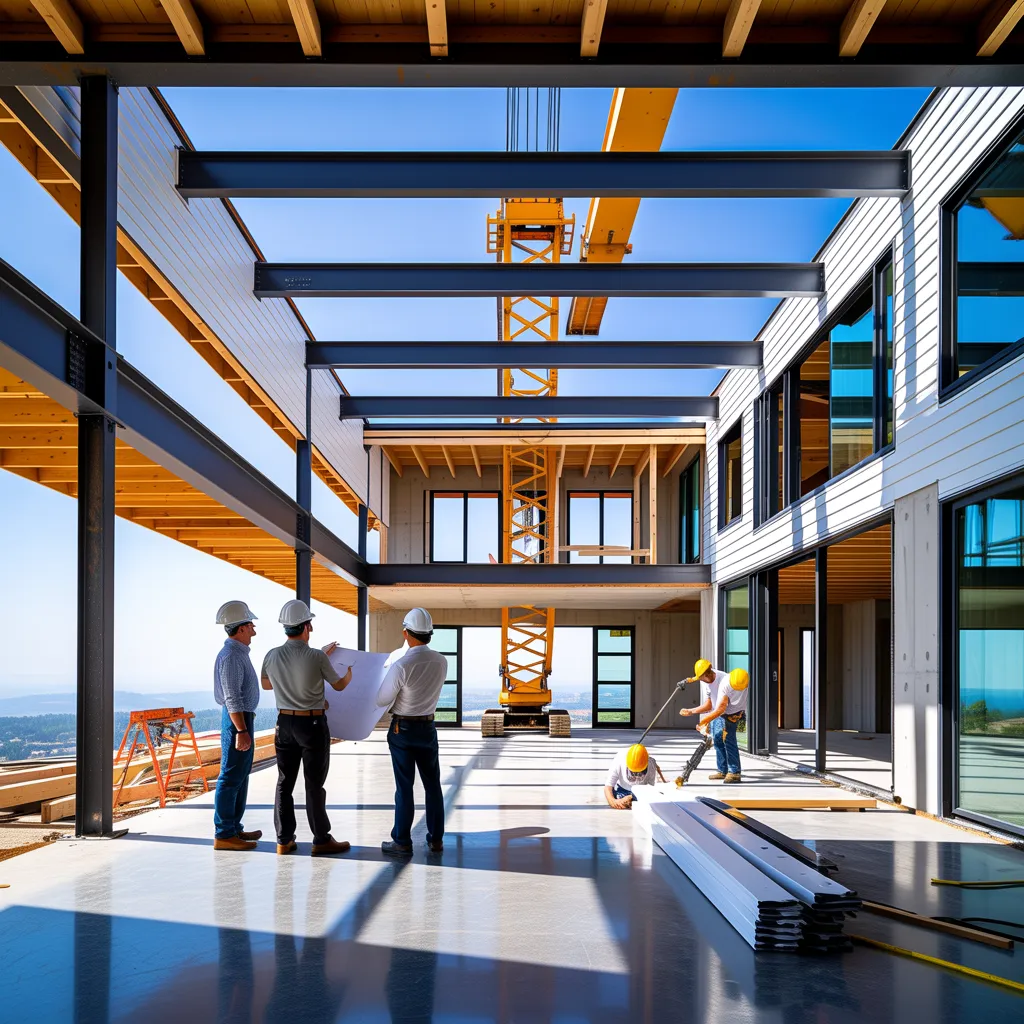
Standard Home Design Predicaments and Techniques Architects Resolve Them
What makes home design so challenging for many homeowners? The complexity of juggling aesthetic preferences with functional needs often overwhelms them. Homeowners frequently grapple with space limitations, budget limitations, and compliance standards, complicating the design process. Additionally, many are without the specialized knowledge needed to address building fundamentals and building codes.
Architects play an crucial role in alleviating these obstacles. Their education prepares them to navigate the intricacies of design, guaranteeing that a property owner's vision aligns with practical realities. Architects can deliver innovative solutions to maximize space while adhering to security standards. They also assist in creating unified designs that embody the homeowner's style. By offering guidance into resources and construction methods, architects aid streamline the selection process. Finally, their expertise converts a potentially intimidating undertaking into a cooperative journey, fostering a balanced balance between innovation and practicality in home design.
Reasons to Work With a Professional Architect
Engaging a trained specialist improves the house planning process by joining professional insight with the homeowner's vision. Architects deliver a rich background in design methodologies, construction codes, and eco-conscious methods, guaranteeing that the initiative not only meets design aspirations but also complies with legal requirements. Their ability to visualize and express complex ideas assists translating abstract full information concepts into physical designs.
Furthermore, architects can provide creative approaches to spatial challenges, optimizing layout and functionality. They also oversee the intricacies of the construction process, collaborating with contractors and suppliers to guarantee schedules and finances are adhered to. This expert supervision minimizes possible mistakes and decreases the stress linked to home building or renovation. Ultimately, working with an architect produces a well-designed, cohesive space that reflects the homeowner's character while enhancing overall home worth.
What Form the Required Steps in the Structural Design Process?
What represents the way the architectural process progresses from concept to completion? The journey starts with an initial consultation, where the designer and client discuss goals, needs, and financial resources. This phase is vital for establishing a well-defined direction. Next, the designer conducts site analysis, evaluating aspects like terrain, weather patterns, and local codes.
After this, the design stage starts. In this phase, drawings and 3D models are produced, allowing the client to envision the project. When the design is finalized, the architect assembles thorough construction blueprints, including specifications and drawings.
Once necessary permits are obtained, the project moves into the building stage. The architect frequently collaborates with contractors to ensure that the plan is executed correctly. Regular on-site inspections and evaluations help preserve standards and adherence to the initial vision. Finally, the project culminates in a inspection, verifying that the completed structure meets the client's expectations before the official handover.
What's the Best Way to Choose the Ideal Architect for Your Home?
Discovering the suitable architect for your home requires careful consideration and study. Prospective homeowners should start by identifying their distinct needs and spending limit, which will shape their search. Advice from friends, relatives, or real estate specialists can deliver valuable opportunities. Online portfolios and reviews help with assessing an architect's previous accomplishments and customer happiness.
Next, interested parties should consult with multiple prospects to evaluate their manner of speaking, experience, and design methodology. It's vital to cover timelines and project expectations to confirm alignment. Moreover, confirming qualifications and reviewing proper licensing and credentials can prevent future complications.
Finally, property owners should trust their gut feelings. The perfect architect should not only have the required skills but also resonate with the homeowner's vision and principles. This synergy creates a working relationship, eventually resulting in a fruitful collaboration in creating a dream home.
Techniques to Convey Your Vision Powerfully
Conveying a plan for residential design proficiently is critical for a productive partnership between homeowners and architects. To attain this goal, house owners should begin by clearly stating their needs and choices. Making a mood board with images, colors, and materials can aid in relaying stylistic aspirations. Additionally, specifying practical demands, such as dimensions and configuration, guarantees that the architect understands concrete details.
Home owners should also participate in candid conversations, promoting questions and feedback to refine their vision. Frequent discussions during the planning phase foster collaboration and transparency. Employing clear expression to convey thoughts and worries can prevent confusion and help match goals.
In conclusion, staying open to the architect's proficiency permits a more lively conversation. By uniting personal vision with professional insight, homeowners can build a collaborative connection that produces a beautifully designed space expressing their aspirations.
Strategies for Budgeting Building design Offerings
While beginning a home design project, setting a budget for architecture services is crucial to avoid financial strain later. Homeowners should begin by researching typical fees in their area, which can vary based on the project's complexity and the architect's experience. It is recommended to allocate a percentage of the overall project cost specifically for architectural services, typically ranging from 5% to 15%.
Next, interested customers should assess the spectrum of services called for—whether they desire complete design and project management or just introductory consultations. Fostering transparent dialogue with potential architects concerning their fee structures can deliver clarity on expenses.
Additionally, property owners should take into account unexpected expenses and potential revisions, building a buffer into the budget. By explicitly outlining their financial parameters upfront, customers can ensure they pick an design expert who aligns with their objectives while remaining within their financial limits.
Regularly Inquired Questions
What Types of Building Design Can Be Possible for My Home?
Homeowners may pick from various architectural styles, encompassing modern, traditional, colonial, Mediterranean, and contemporary. Each style delivers unique appearance and utility, permitting individuals to demonstrate personal preference while considering regional influences and environmental factors.
What Duration Does the Building Design Process Typically Demand?
The architectural procedure typically demands a number of months, determined by scope complexity, approval requirements, and local ordinances. Components such as client feedback and construction timelines can also shape the timeframe greatly throughout the process.
Can Architects Aid With Green Design Solutions?
Architects can definitely assist with sustainable design options. They incorporate eco-friendly materials, efficient energy systems, and creative designs, guaranteeing projects reduce environmental impact while boosting functionality and aesthetic appeal, matching with clients' sustainability goals effectively.
What Requirements Should I Look for in an Architectural Expert?
When picking an building designer, one should assess their education, certification, background with comparable projects, body of work reflecting their design philosophy, and awareness of local zoning requirements. Speaking and listening abilities and client testimonials also matter greatly in the decision-making process.
What Method Do Architects Use to Tackle Zoning and Permit Problems?
Architects handle regulatory obstacles by conducting thorough research on regional requirements, preparing necessary documentation, and communicating to municipal authorities. Their expertise guarantees adherence, expediting the permitting timeline for customer developments efficiently.